
Remember when booking a table meant calling a restaurant, getting put on hold, and then playing phone tag until you finally locked in a 7:30pm slot? Yeah, nobody misses that. These days, you can book a table online in about the same time it takes to order a coffee. Whether you're planning a first date, a birthday dinner, or just a random Tuesday taco night, online reservations have basically become the default way people plan meals out.
In this guide, we'll break down exactly how online table booking works, why it's replaced phone calls for most people, what to look for in a reservation platform, and how restaurants on the other side of the table are using this tech to run smoother operations. Let's get into it.
Why Booking a Table Online Beats Calling Every Time
Calling a restaurant sounds simple until you're the fifth caller in line during a Friday dinner rush. Online booking flips the script. You get real-time visibility into what's actually available, and you're not relying on a hostess to remember to pencil you in.
Here's why online reservations have taken over:
- Instant confirmation — no waiting for a callback or voicemail.
- 24/7 access — book at 2am if that's when inspiration (or hunger) strikes.
- Visual context — photos, menus, and reviews right there before you commit.
- Fewer errors — no mishearing a time or party size over a bad phone connection.
- Reminders built in — most platforms text or email you before your reservation so you don't forget.
Platforms like OpenEats turned this into an entire ecosystem, aggregating thousands of restaurants so you can compare options in one place instead of bouncing between individual restaurant websites. That aggregation is honestly the biggest time-saver — you're not guessing which restaurants even take online bookings.
How the Online Reservation Process Actually Works
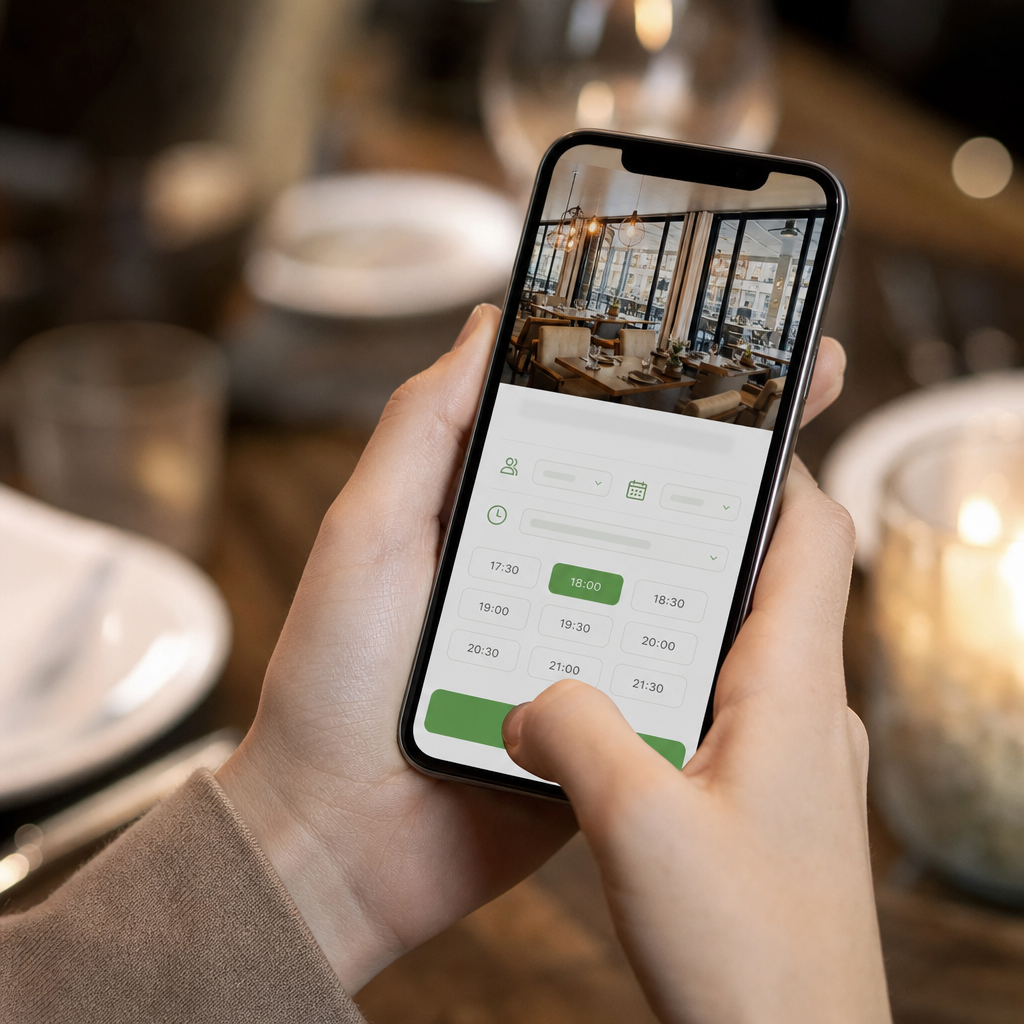
If you've never used a reservation platform before, the process is refreshingly simple. Here's the general flow:
- Search by location, date, and party size. Most platforms let you filter by cuisine, price range, and neighborhood too.
- Browse real-time availability. You'll see actual open time slots instead of calling to ask "do you have anything tonight?"
- Check the details. Menus, photos, dietary accommodations, and guest reviews usually sit right on the listing.
- Select a time and confirm. Some restaurants require a card on file or a small deposit, especially for prime weekend slots or larger parties.
- Get confirmation instantly. You'll typically receive an email or app notification with the details, plus a reminder closer to the date.
- Modify or cancel if plans change. Most platforms let you adjust or cancel without picking up the phone, though cancellation windows vary.
The backend of this process is more complex than it looks. Restaurants are managing table turnover, server sections, and walk-ins simultaneously, which is why the software connecting diners to tables has become its own industry worth billions. According to Statista, online reservation and food-tech platforms have seen consistent double-digit growth over the past several years as more diners shift away from phone-based booking entirely.
Comparing Popular Ways to Book a Table Online
Not all booking methods are created equal. Here's a quick look at how the main options stack up.
| Method | Real-Time Availability | Review Aggregation | Loyalty/Rewards | Best For |
|---|---|---|---|---|
| Restaurant reservation platforms (e.g. OpenEats) | Yes | Yes | Yes | Comparing multiple restaurants at once |
| Direct restaurant website widget | Yes | Rarely | Sometimes | Booking a specific known restaurant |
| Phone call | No (manual) | No | No | Large groups, special requests |
| Social media DM | No | No | No | Small independent spots without a booking system |
| Walk-in only | N/A | N/A | N/A | Spontaneous dining, no advance planning |
As you can see, dedicated reservation platforms win on almost every front except maybe highly custom requests, where a phone call still helps. If you're booking a table for twelve people with three separate dietary restrictions, a quick call to confirm details never hurts.
What to Look for in a Reservation Platform
Not every booking tool offers the same experience. If you're choosing where to book (or which app to keep on your phone), here's what actually matters:
- Breadth of restaurant listings — a platform is only as useful as its coverage in your city.
- Verified reviews — you want real diner feedback, not just star ratings with no context.
- Waitlist options — great platforms let you join a waitlist remotely instead of standing around.
- Special occasion notes — the ability to flag a birthday or anniversary so the restaurant can do something nice.
- Loyalty perks — some platforms reward frequent bookers with points redeemable for dining credit.
- Group booking support — larger parties often need different tools than a table for two.
OpenEats checks most of these boxes, which is part of why it's become a go-to for both casual diners and people planning bigger events. The points program alone (earning credit toward future meals) is a nice incentive to keep booking through one platform instead of scattering reservations across five different apps.
The Restaurant Side: Why Owners Love Online Booking Too
It's not just diners benefiting here — restaurant owners and managers have arguably gained even more from the shift to digital reservations. Running a dining room used to mean juggling a paper book, sticky notes, and a lot of guesswork. Now, reservation software gives restaurants real operational leverage.
Here's what restaurants get out of it:
- Table management tools that optimize seating based on party size and turn times.
- No-show reduction through card-on-file deposits and automated reminders.
- Guest history — knowing a regular's favorite table or dietary needs before they walk in.
- Marketing data — understanding peak hours, popular dishes, and repeat customer patterns.
- Waitlist automation that reduces the front-of-house chaos during rushes.
This is where platforms built for restaurants — like the tools OpenEats offers on the business side of its platform — really shine. It's not just a booking widget; it's a full guest relationship system. Restaurants can see who's coming back, who hasn't visited in a while, and who might appreciate a complimentary dessert on their anniversary.
For context on how much operational tech has changed small business management broadly — not just in restaurants — it's worth checking resources like Small Business Administration guidance on digital tools, which increasingly emphasizes automation for customer-facing businesses of all types, from dining to home services.
Common Mistakes People Make When Booking a Table Online
Even though online booking is easy, there are still a few ways people trip themselves up. Avoid these:
- Booking the wrong party size. Restaurants plan seating around your stated headcount — showing up with two extra guests can mean a long wait or a smaller table than you wanted.
- Ignoring cancellation policies. Some restaurants charge a no-show fee if you don't cancel within a certain window, especially for prime-time weekend reservations.
- Not noting dietary restrictions upfront. Most platforms have a notes field — use it so the kitchen isn't caught off guard.
- Booking too close to closing time. If you want a leisurely three-course dinner, don't book 30 minutes before last call.
- Forgetting to double check the date. It sounds obvious, but AM/PM mix-ups and date typos happen more than you'd think.
- Skipping the confirmation email. Always confirm the details match what you intended before you show up.
A little attention to detail goes a long way toward making sure your reservation actually works out the way you pictured it.
Online Booking Trends Worth Knowing in 2026
The reservation space keeps evolving, and a few trends are shaping how people book tables right now:
- AI-assisted recommendations. Platforms increasingly suggest restaurants based on your past bookings and preferences, not just generic popularity.
- Dynamic pricing for peak times. Some restaurants now offer perks for booking off-peak hours, similar to how airlines and hotels manage demand.
- Integrated payments. Paying the bill directly through the reservation app is becoming more common, reducing the awkward wait for the check.
- Sustainability filters. More diners are searching for restaurants with sustainable sourcing practices, and platforms are adding filters to match.
- Hybrid loyalty programs. Points earned through reservation platforms are increasingly stackable with individual restaurant loyalty programs.
According to reporting from The National Restaurant Association, technology adoption among restaurants has become less optional and more of a baseline expectation from diners, particularly younger demographics who default to searching and booking on their phones before ever calling.
Quick Comparison: Booking Directly vs. Through an Aggregator
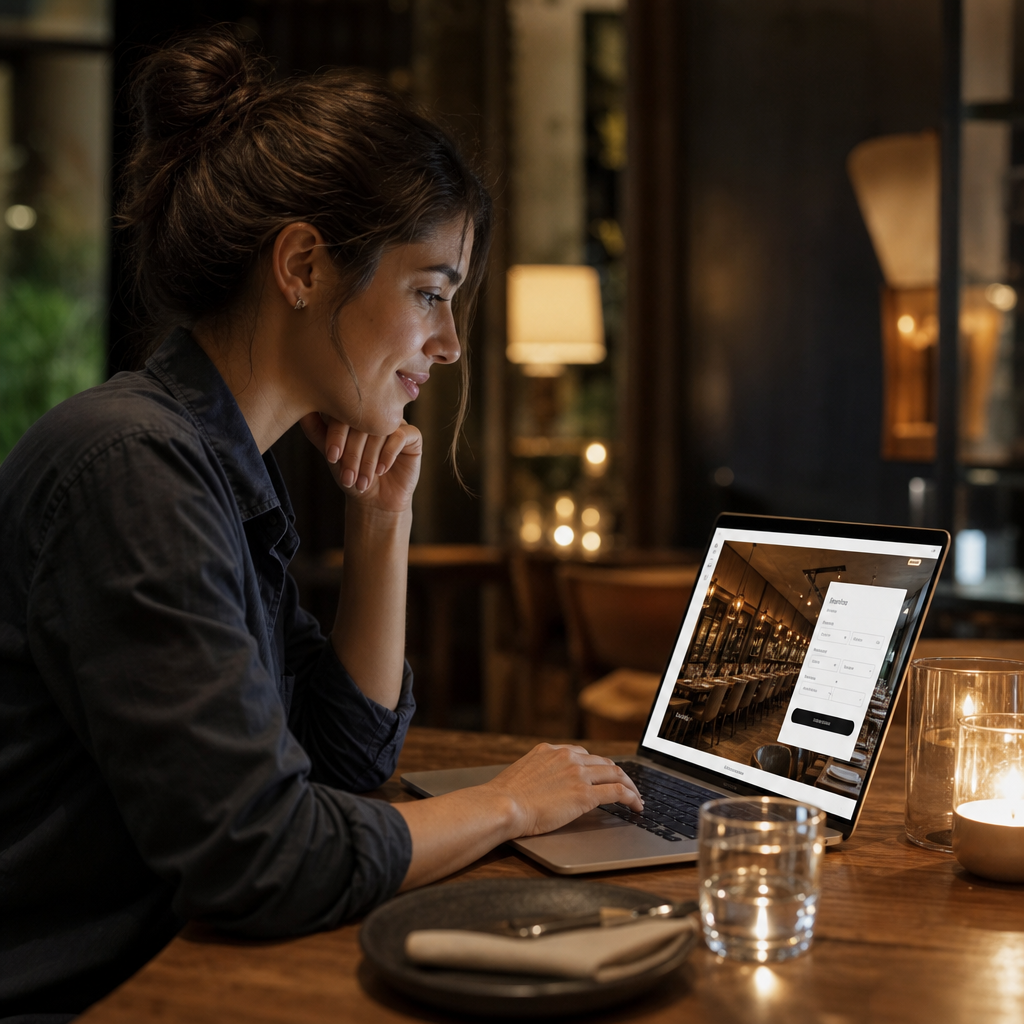
A common question diners have is whether it's better to book directly through a restaurant's own website or through an aggregator platform. Here's a simple breakdown:
| Factor | Direct Restaurant Website | Aggregator Platform |
|---|---|---|
| Discovery of new restaurants | Low | High |
| Consistency across bookings | Varies by restaurant | Consistent experience |
| Review access | Limited | Extensive |
| Loyalty rewards | Restaurant-specific | Cross-restaurant |
| Speed when comparing options | Slow (one site at a time) | Fast (one search) |
If you already know exactly where you want to eat, the restaurant's own site works fine. But if you're deciding between five places in a neighborhood you don't know well, an aggregator saves serious time.
Tips for a Smooth Online Booking Experience
Before we wrap up, here are a few practical tips to make your next reservation painless:
- Book a week or more ahead for weekend dinners at popular spots, especially in bigger cities.
- Use filters for price range and cuisine to avoid endless scrolling.
- Read the two or three most recent reviews, not just the overall star rating — recent feedback reflects current service quality better.
- Set a calendar reminder in addition to the app's built-in notification.
- If you need to cancel, do it as early as possible — restaurants often have a waitlist of people who'd love your slot.
It's also worth noting that good reservation habits translate to other service-based bookings too. Just like you'd schedule a home repair through a reliable provider — say, checking a resource like shadrachplumbingcooling.com for maintenance tips before booking a service call — planning ahead for dining reservations avoids the same last-minute scramble everyone hates.
Wrapping Up: Booking a Table Online Just Makes Sense
At the end of the day, booking a table online isn't just a convenience — it's become the expected standard for how people plan meals out. It saves time, reduces miscommunication, and gives you way more context before you commit to a restaurant than a phone call ever could. For restaurant owners, it means better operations, fewer no-shows, and stronger guest relationships over time.
If you're looking for a platform that brings all of this together — real-time availability, verified reviews, loyalty perks, and a massive network of restaurants — openeats.com remains one of the most complete options out there for both sides of the table. Whether you're the one hunting for a great dinner spot tonight or the one running the kitchen trying to keep tables full, OpenEats makes the whole process faster, easier, and a lot less stressful than the old dial-and-wait method ever was.
For more insights on digital tools transforming everyday services, check out frontrank.com.
Article written by FrontRank